
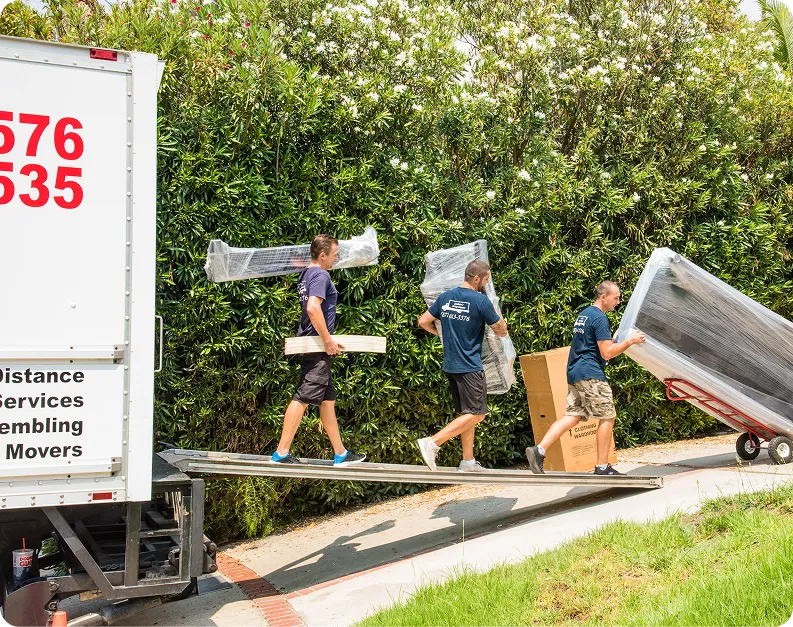
On paper, unloading is the same work as loading. Same boxes. Same furniture. Same number of trips, roughly.
In reality it’s much worse. And most of it has nothing to do with the boxes.
The biggest mistake people make on a DIY move isn’t renting the wrong truck. It’s assuming they’ll have the same energy at the end of the day that they had at the beginning.
They won’t. Nobody does. And almost nobody plans for it.
That gap, between the energy you start with and the energy you have left when the truck is finally full, is where most self-moves quietly fall apart. Not on the loading. On everything that comes after.
The Morning Version of You Is Very Optimistic
Every DIY move starts strong.
You wake up early. You have coffee. You have a plan and a couple of friends who actually showed up. The boxes are labeled, mostly. There’s a rhythm to it. Carry, load, stack, repeat. It feels good, in a slightly tired way.
The morning version of you is convinced this will be fine.
The morning version of you has not yet met the stairs at the new place.
Because here’s the thing about loading: it’s the part you can see coming. You prepared for it. You braced for it. And you did it. By the time the truck is packed, it feels like the hard part is behind you.
It isn’t. It’s just the half you were ready for.
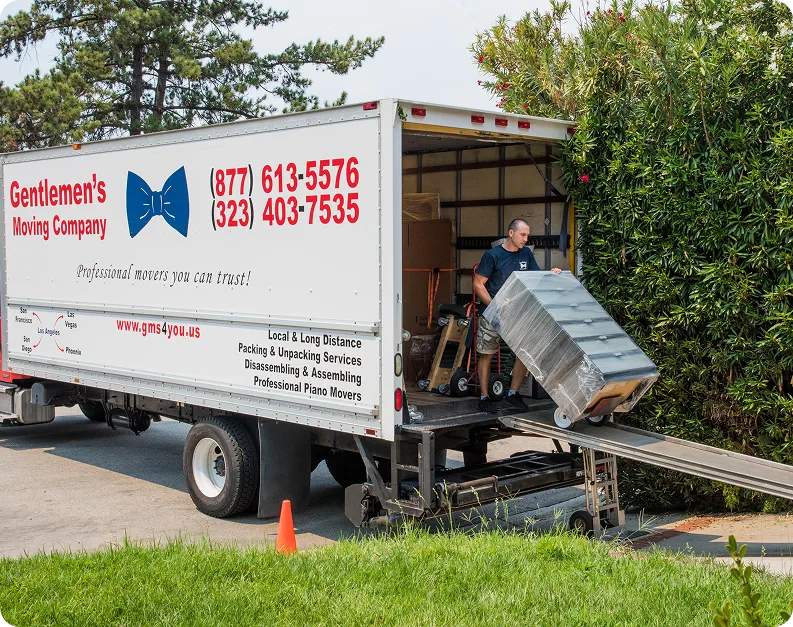
Same Boxes, Heavier Somehow
By the time you’re unloading, you’ve already spent your best hours. The adrenaline that carried the morning is gone. There’s no fresh start feeling waiting at the new place, just a full truck and the growing awareness that all of it has to come back out.
And it’s usually up stairs. It’s always up stairs.
There’s a strange trick your body plays around hour four or five. The couch that two people carried out of the old apartment somehow needs three to get into the new one. The boxes feel heavier. The hallway feels narrower. Nothing actually changed. You did.
That’s not weakness. That’s just how energy works over a long physical day. The problem is that nobody schedules for it.
And Then the Friends Disappear
There’s also the matter of your crew.
Friends are great for loading. Morning energy, free labor, the promise of pizza. But friends have a half-life on moving day, and it’s shorter than anyone admits.
Somewhere between the old place and the new one, they start to thin out. One had a thing they forgot about. One’s back is “acting up” now. One drove separately and is mysteriously stuck in traffic.
By unloading time, the crew of four is often a crew of one.
You.
This isn’t a knock on your friends. It’s just predictable. The first half of a move is a favor people are happy to do. The second half is real work, at the end of a long day, and the goodwill runs out right when the truck arrives full.
Why This Is When People Call
This is the exact moment the phone starts ringing.
Not at the start of the day, when everything felt manageable. In the middle, or near the end, when the truck is full and the plan has fallen apart and it’s suddenly clear the unloading is not going to happen with the people still standing around.
It’s one of the most common reasons people book labor-only movers in Los Angeles. Same-day, often. Someone loaded the truck themselves, drove across LA, looked at the stairs and their one remaining helper, and did the math.
We’re not telling you this to make anyone feel bad about it. The opposite. It’s so common that it’s basically part of the process. Self-moves are heavier than they look on paper, and the unloading end is where that shows up. Calling for a crew at that point isn’t giving up. It’s just recognizing where your day actually is.
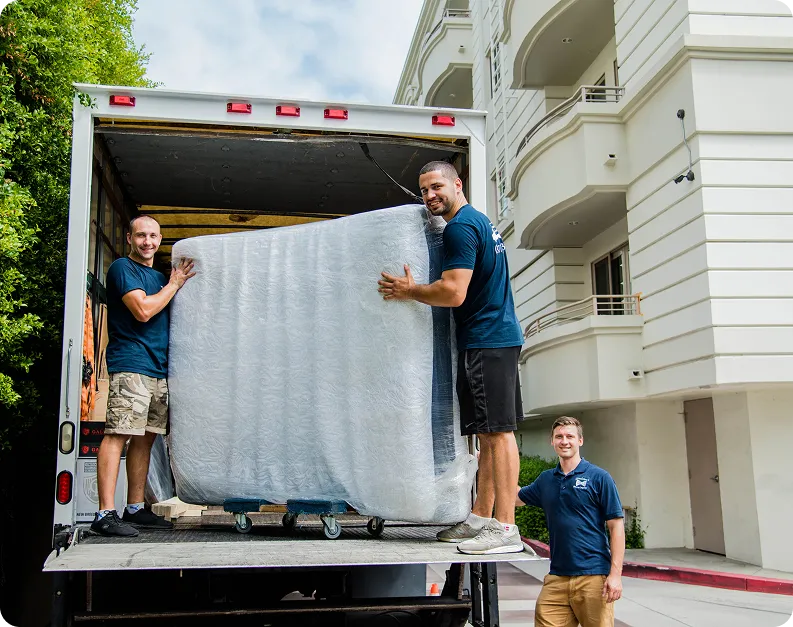
The Fix Is Smaller Than You’d Think
Here’s the part people don’t realize: you don’t need to hand off the whole move to solve this.
You already did the packing. You have the truck, or the container, or the storage unit. The transportation is handled. What’s left is one specific, heavy thing: getting it all back out and into the right rooms.
That’s exactly what labor-only help is for. A crew shows up with fresh arms and actual experience, meets your truck or container, and carries everything in. Up the stairs. Through the awkward LA hallway. Into the rooms it belongs in, not dumped in a pile by the door.
You keep everything you already set up. You just skip the part your body is done with.
And the difference between “boxes in the right rooms” and “boxes in a heap in the entryway” is the difference between starting to unpack tonight and doing a second indoor move by yourself on a weeknight. One of those is a lot better than the other.
The Real Lesson
If there’s one thing worth taking from all of this, it’s this: plan for the end of the day, not just the start of it.
The morning version of you is optimistic and well-rested and genuinely believes the whole thing is doable solo. Trust that person for the loading. Don’t trust them to predict how you’ll feel five hours later with a full truck and an empty crew.
We get these calls all the time. Someone has already done the hard part, driven across town, and realized there’s simply nothing left in the tank for unloading. That’s exactly why our labor-only crews exist. If that sounds familiar, we’re here to help.
Most people don’t regret asking for help with unloading. They regret waiting until they were too exhausted to enjoy the first evening in their new home.
Finished loading? That’s genuinely the easy half.