Trusted Moving Services

Gentlemen's Moving Company in Los Angeles

Get Started And Join Thousands of Our Happy Customers Today!

Privacy Policy
×

Reasons to Book Packing Services: What Most People Get Wrong About Moving

Packing isn’t difficult in theory. It’s difficult in accumulation. In volume. In the small decisions that stack up until you’re tired of making them. And that’s where things start going sideways.

Because packing — if done wrong — doesn’t just slow a move down. It breaks things. It wastes space. It adds cost. It creates stress that lingers long after the boxes are unpacked.

Booking professional packing services changes that dynamic entirely. Consistently and quietly effective.

Packing Is the Most Underrated Part of Any Move

People focus on the truck. The distance. The schedule. Packing gets treated like a preliminary step. Something to just get through.

That’s the first mistake.

Packing determines how everything else unfolds. The loading process, the transport safety, the unloading efficiency. Even the unpacking experience later — it all traces back to how things were packed in the first place.

When packing is done the wrong way it leads to shifting loads. Shifting loads lead to damage. Not always catastrophic, but enough. Enough to matter.

And then there’s time. Inefficient packing creates delays. Boxes that don’t stack properly. Items that require repacking mid-move. It’s a chain reaction.

The Illusion of DIY Superiority

There’s a moment — usually early in the process — where doing it yourself feels like the logical choice. Cost-saving, straightforward, manageable.

For small moves, maybe it is. But most clients underestimate three things. Volume, fragility, and fatigue.

Volume is obvious once you start. There’s always more than expected. Fragility is trickier — items you didn’t think needed special handling suddenly do. And fatigue? Fatigue changes how careful you are.

You start strong. Organized. Methodical. Then, hours later, you’re wrapping glassware in whatever paper is nearby just to finish faster.

That’s where problems begin.

What Professional Packing Actually Looks Like

Packing services Gentlemen’s Moving Company offers follow a system. Not rigid, but structured.

Materials come first. Proper boxes, padding, wrapping supplies. Not improvised substitutes. That alone makes a difference.

Then categorization. Items are grouped logically, not just spatially. Kitchen with kitchen, but also fragile with fragile, heavy with heavy. It’s about balance.

Load distribution matters too. Boxes aren’t just filled — they’re balanced to prevent shifting. Weight is managed. Fragile items are cushioned correctly, not excessively, not insufficiently.

It sounds technical. It is, a little. But the result is simple: fewer broken items, faster loading, smoother transport. That’s the way we operate..

Small Details That Make a Big Difference

Labeling, for instance. Not just “kitchen” or “bedroom”, but specific, clear, useful labels. It speeds up unpacking later. Reduces confusion.

Sealing techniques. Over-taping wastes time and materials. Under-taping risks collapse. There’s a balance.

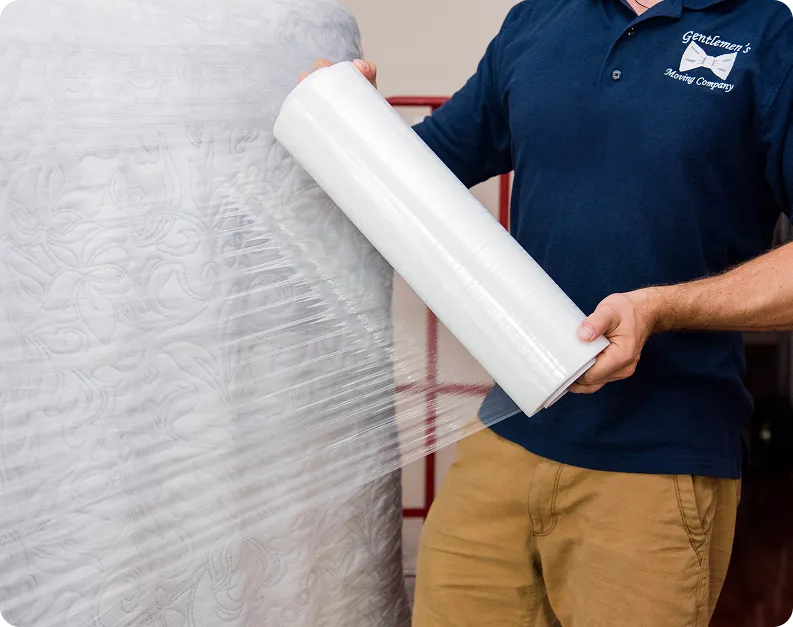
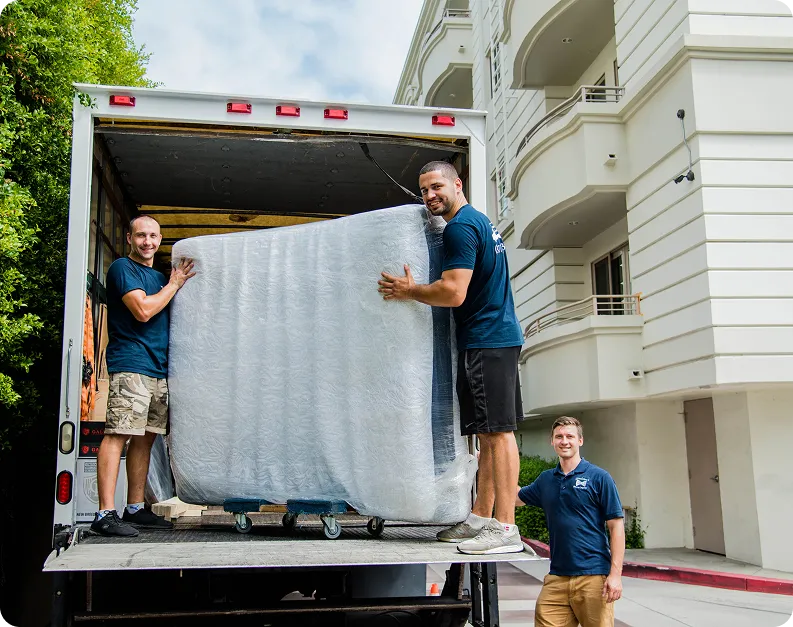
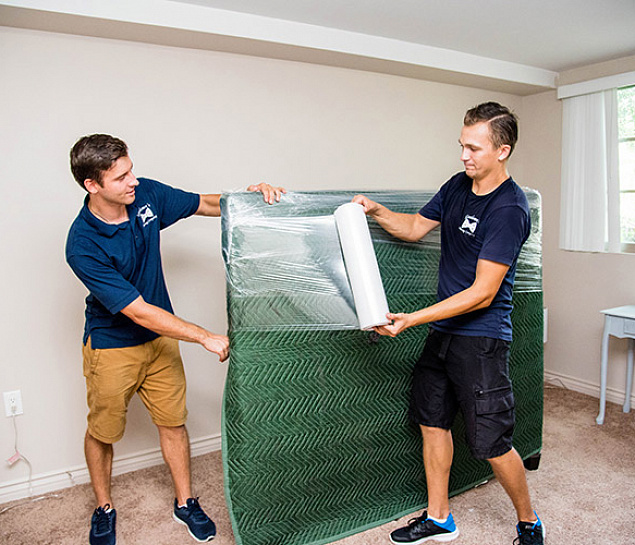
Furniture protection. Wrapping, padding, securing moving parts. These aren’t afterthoughts — they’re integrated into the packing process.

And then there’s sequencing. Packing isn’t random. It follows an order that aligns with how items will be loaded and unloaded. That’s the part people rarely consider.

Packing Services Reduce Overall Moving Stress

Stress in moving doesn’t come from one big issue. It comes from many small ones.

Packing delays. Broken items. Disorganized boxes. Each one adds friction. Professional packing removes a large portion of that friction. Not entirely — moving is still moving — but significantly.

You don’t spend days surrounded by half-packed rooms. You don’t second-guess whether something was wrapped properly. You don’t run out of materials halfway through.

Instead, there’s a clear progression. Rooms get packed. Space clears. Momentum builds. It feels different. More controlled.

Also, time estimates for packing are almost always optimistic when done independently. What seems like a weekend project stretches into multiple days. Sometimes weeks.

Our professional crews compress that timeline. What might take you several days, we handle in hours. Not rushed — just efficient.

That compression affects everything else. Scheduling becomes easier. Moving day becomes more predictable. Predictability, in this context, is valuable.

The Way We Approach Packing

Our packing services are designed to integrate seamlessly with the moving process. Not an add-on but part of the system.

Crews arrive prepared. Materials, tools, plan. They assess the space quickly and begin with a structured approach. Fragile items receive specialized attention. Glassware, electronics, artwork. Each category has its method. Furniture is wrapped and protected before loading. No last-minute scrambling.

Gentlemen’s Moving Company also maintains consistency. Same standards across different moves. That reliability is what clients notice. We adapt. Not every home is the same. Not every move follows the same pattern. Flexibility within structure — that’s the balance we maintain.

What DIY Fans Regret

It’s a pattern. Clients who skip packing services often mention the same issues afterward.

Time overruns. Unexpected damage. Disorganization during unpacking. And then there’s the physical toll. Packing is repetitive. Lifting, bending, carrying. It adds up. Booking proper packing services helps you avoid those outcomes. Like, significantly.

Certain situations make professional packing almost essential. Large households. Tight timelines. Long-distance moves. High-value or fragile items. Also — moves where clients simply don’t want to spend days packing. That’s valid. Your time is priceless.

Even partial packing services help. Focusing on specific rooms or item categories. It doesn’t have to be all or nothing.

How to Pack Fragile Items Properly

There’s always that moment. You’re standing over an open box, holding something fragile — glass, ceramic, something that absolutely won’t survive optimism alone — and you think everything should be fine. It usually isn’t. Not because you didn’t care. Because caring and knowing are two different things, and packing fragile items properly lives somewhere in between.

We’re Gentlemen’s Moving Company. California locals. We’ve packed things that had no business surviving a move — and they did, because the process was right. Not rushed, not improvised. Slightly repetitive. Slightly obsessive. It works.

Simple As Can Be

People tend to focus on padding. More wrap, more layers, more something. It feels productive. It looks protective.

But the real issue isn’t lack of cushioning — it’s movement. If something can shift inside a box, it eventually will. And once it does, even the best wrapping starts to lose its purpose.

Packing fragile items properly is about control. Controlling how an item sits, how it’s supported, how it interacts with everything around it. The goal isn’t to make it soft. The goal is to make it stable.

That’s where materials come in. And not all materials are equal, even if they seem interchangeable at first glance.

Packing paper

Packing paper is where things begin, even if people underestimate it. It’s flexible, it wraps closely, it doesn’t leave marks or residue. It’s the layer that actually touches the item, which makes it more important than it looks. Newspaper gets used sometimes, usually out of convenience, but it stains. It leaves traces. It complicates things later.

Bubble wrap

Bubble wrap is what people reach for instinctively. It’s visible protection. It feels reassuring. And it does help — but only after the item is already wrapped in paper. On its own, it cushions impact but doesn’t prevent movement. That distinction matters more than it sounds.

Foam sheets

Foam sheets exist in a quieter category. They’re not bulky, not particularly satisfying to use, but they protect surfaces that don’t just break but scratch, dent, mark — mirrors, frames, electronics. Things where damage isn’t always structural, but still very noticeable.

Packing peanuts

Then there are packing peanuts. Useful, unpredictable, slightly chaotic. They fill space, which is important, but they don’t stay where you put them unless the rest of the packing is structured. Without that structure, they shift, settle, and sometimes create the very movement you’re trying to avoid.

Specialty boxes

And then there are specialty boxes. Dish packs, glass dividers — the ones people skip because regular boxes seem good enough. Sometimes they are. Sometimes they’re not, and that difference shows up later. These boxes exist because fragile items behave differently. Heavier, more sensitive, less forgiving.

The Process

Everything starts with wrapping. Individually. No shortcuts here, even the tempting ones. Packing paper first, always. It creates that initial layer of protection, the one that actually conforms to the item’s shape. Bubble wrap comes after, if the item needs it. Not everything does, which is another detail people tend to overlook.

Before anything goes into the box, there’s the base. A layer of crumpled paper or soft material that absorbs the first contact when the box is set down. Because it will be set down. More than once. Not always gently.

Placement inside the box isn’t random, even if it sometimes looks that way. Heavier items settle at the bottom, lighter ones above. Plates, for example, do better when packed vertically, like records, rather than stacked. It distributes pressure differently. Feels wrong the first time you do it, then makes complete sense later.

Glasses stay upright. Always. Not because it looks neat, but because it reduces stress on the structure.

And then comes the part that most people underestimate — filling the space. Every gap matters. Even the small ones. Especially the small ones. Empty space allows movement, and movement creates friction, impact, repetition. All the things fragile items don’t handle well.

When the box is gently moved, nothing inside should shift. If it does, something is missing. Usually not more wrap — just better placement, better filling, better balance.

Sealing the box is straightforward, but labeling introduces a small layer of communication. “Fragile”. “This side up”. It doesn’t guarantee perfect handling, but it increases awareness. And awareness helps.

The Way We Handle Packing

At Gentlemen’s Moving Company, packing fragile items is not a side task. It’s part of the system.

We’re California locals, which means we’ve worked through different conditions — coastal air, inland heat, tight city layouts where every movement matters more than it should. That experience changes how you pack.

We don’t approach packing casually. There’s an assessment first — what the item is, how sensitive it is, what kind of protection it actually needs. Not everything requires the same treatment, and overpacking can be just as problematic as underpacking.

Materials are chosen deliberately. Not substituted, not improvised unless absolutely necessary. Because consistency is what keeps results predictable.

And the process itself — packing, loading, arranging — it follows a sequence. Not rigid, but structured enough that nothing important gets skipped.

The Mistakes People Usually Do

There’s a tendency to overfill boxes. More items, more efficiency, less space wasted. It makes sense until the box becomes too heavy, harder to carry, more likely to be handled roughly. Fragile items don’t benefit from that.

Then there’s the opposite — leaving space. It feels minor at the time. Just a small gap. But that gap becomes movement, and movement becomes damage.

Improvised materials show up often. Towels, blankets, old clothes. They seem soft enough, but they compress unevenly, shift unexpectedly, and don’t provide consistent protection. They can help, but they’re not replacements for proper materials.

Labels get skipped more often than expected. It feels unnecessary in the moment. Everything looks obvious. But once boxes are stacked, moved, mixed — clarity disappears.

And then there’s rushing. The most common one. Packing fragile items takes time, and trying to speed through it usually means doing it again later, in a different way, for a different reason.