×

Choosing a Moving Company Without Getting Scammed

There’s a very specific moment when a moving scam becomes real. It’s not when you book. Not when they show up. It’s later — usually when something changes. The price. The tone. The way your belongings suddenly get damaged.

Before that, everything looks normal. Website? Clean. Price? Competitive. Maybe even suspiciously reasonable, but you tell yourself you’re just being cautious. Or pessimistic. Or both.

We’re Gentlemen’s Moving Company. California locals. We’ve seen what happens when people hire the wrong movers, and it’s rarely dramatic at first. It unfolds. Slowly, then all at once.

This isn’t about fear. It’s about clarity. Small signals. Slight inconsistencies. The kind you ignore when you’re trying to get everything done quickly.

The Way It Usually Goes

People start with cost. Understandable. Moving is expensive, and lower quotes feel like relief. But here’s the uncomfortable part — scams often begin with a price that feels just right. Not too low to be obvious. Just low enough to win the decision.

Then things shift. The estimate wasn’t binding. The inventory wasn’t detailed. Additional fees appear — stairs, distance, time, packaging, things that suddenly matter more than they did before. And now your belongings are already in the truck.

That’s the leverage point. That’s where bad actors operate. Not before. During.

So choosing a moving company without getting scammed starts earlier than you think. It starts with how the company presents itself, how it communicates, what it asks — and what it avoids saying.

Red Flags

A company that avoids giving a clear estimate isn’t being flexible — they’re being noncommittal. There’s a difference. Vague pricing leaves room for interpretation later, and later is when it costs more.

Large deposits upfront are another signal. Reasonable deposits exist, but when a company pushes for significant payment before doing any work, it shifts the risk entirely onto you.

Then there’s the absence of a physical presence. No real address, no local footprint, no verifiable connection to the area they claim to serve. In California, especially, local knowledge matters. Not just for navigation — but for legitimacy.

Communication patterns say a lot too. If responses are inconsistent, delayed, or overly generic, it usually reflects how the move itself will go. Structured companies communicate clearly. Disorganized ones don’t suddenly become organized on moving day.

And then there’s the contract. Or lack of one. If the agreement feels incomplete, overly broad, or difficult to understand, that’s not an accident. Clarity protects both sides. Ambiguity protects one.

What a Reliable Moving Company Actually Looks Like

Good moving companies don’t rely on urgency. They don’t rush you into decisions or push limited-time offers that expire in ways that feel off.

They provide detailed estimates. Not just numbers, but explanations. What’s included, what’s not, what could change and why.

They have a real presence. Local teams, verifiable addresses, consistent branding across platforms that actually align.

They ask questions. About your move, your items, your timeline. Not because they’re curious, but because they’re preparing.

And they’re transparent about limitations. No company can guarantee a perfectly smooth move, but a good one will explain where complications might arise — and how they handle them.

The Way We Do It

At Gentlemen’s Moving Company, we don’t position ourselves as the cheapest option. That’s not the goal.

We’re California locals. We understand the terrain — literally and operationally. From coastal cities to dense urban areas, each move comes with its own variables. We account for them upfront.

Our process starts with clarity. Detailed estimates, clear communication, realistic expectations. No vague language, no shifting definitions halfway through the job.

We are trained, experienced, and consistent. Not temporary hires rotating through unfamiliar systems. That consistency shows up in how moves are handled — carefully, efficiently, without unnecessary improvisation.

We also offer full-service solutions — packing, loading, transportation, unloading. Each step integrated into a single process, rather than disconnected tasks.

Because moving isn’t just about getting from point A to point B. It’s about how that transition happens.

Why Hiring Scammers Is Worse Than It Looks

The financial impact is obvious. Unexpected costs, inflated charges, sometimes outright loss of property. But there’s also time. Delays, rescheduling, the effort required to recover from a bad experience. Time compounds quickly during a move.

And then there’s stress. Not the general stress of moving — that’s expected. This is different. It’s uncertainty. Lack of control. The feeling that something important is no longer in your hands.

That part tends to linger longer than the move itself.

Out of State Moving: What You Really Need to Know

You ever notice how a short move feels like a task, but an out of state moving plan feels like a life event? It’s not just boxes — it’s routines, habits, that one set of porcelain you refuse to throw away. Long-distance moving has layers. Mental, physical, logistical. Sometimes oddly philosophical too. One minute you’re labeling boxes, next minute you’re wondering why you own seven extension cords.

Out of state moving isn’t complicated in theory. Pack, load, transport, unload. Simple. Except it isn’t. Because distance changes everything. Timing stretches. Costs shift. Energy drains in ways you don’t expect. And that’s exactly where preparation — real preparation — starts making sense.

What Out of State Moving Actually Involves

A local move is like a sprint. Out of state moving? That’s a slow, uneven marathon with snacks, paperwork, and occasional existential pauses.

There’s the physical side first. Packing up an entire household means lifting, sorting, deciding. Deciding is the exhausting part, honestly. What stays, what goes, what somehow ends up in a special box that follows you across state lines like an unresolved subplot.

Then there’s the mental load. New environment, new systems, new everything. People underestimate this. You’re not just moving furniture — you’re relocating your daily rhythm. Sleep gets weird. Focus dips. You forget where you packed the coffee maker, which suddenly feels like a critical error.

And distance introduces time gaps. Your belongings don’t just arrive instantly. There’s transit scheduling, coordination, windows of delivery. That space in between when your life is technically in motion but not yet settled — that’s the part that catches people off guard.

The Timeline Problem

Here’s where folks tend to miscalculate. They think packing starts a few days before the move. No. Not for out of state moving.

A few weeks ahead is the real starting point. Not because everything takes that long, but because everything takes longer than expected. There’s a difference.

You start with non-essentials. Books, seasonal items, décor. Things you won’t miss immediately. Then gradually move toward daily-use items. This staged approach keeps your space livable while still making progress.

And spacing it out does something else — it reduces stress spikes. Packing everything in two days? That’s chaos. Spreading it across two or three weeks? Manageable. Still annoying, sure, but manageable.

Also, this is when you start coordinating services. Utilities, address changes, documentation, subscriptions cancelling. Not exciting — necessary.

When Packing Becomes Strategy

Packing for out of state moving isn’t about putting things in boxes. It’s about protecting time, money, and sanity.

You need structure. Labeling systems. Room-by-room breakdowns. Fragile item separation. Not an easiest job to deal with, but effective.

And then there’s the weight factor. Long-distance moves are often priced based on volume or weight. Overpacking or packing inefficiently literally costs more. That random box of “misc cables”? It adds up. Both physically and financially.

Professional movers like Gentlemen’s Moving Company approach packing differently. There’s a method. Materials matter. Load balance matters. They’re not just filling space — they’re optimizing it.

Which sounds excessive until you’re unpacking without broken items. Then it makes perfect sense.

Professional Help Changes the Entire Experience

There’s this idea that hiring movers is just about convenience. It’s not. Not with long-distance moves. It’s about control.

Gentlemen’s Moving Company doesn’t just move boxes from point A to point B. We manage the moving process in a way that reduces uncertainty. And uncertainty is the real troublemaker here.

Our crews handle packing, loading, transport, and unloading with a system that’s been refined over time. Not theoretical efficiency — actual, field-tested efficiency.

We understand timing windows. We know how to secure items for long-haul transport. We anticipate issues before they become problems. That part matters more than people think.

We also bring the equipment. Proper equipment. Which means fewer injuries, fewer delays, fewer “why did we try to move this ourselves” moments.

The Human Side of Long-Distance Moving

This part doesn’t get talked about enough.

Out of state moving affects people differently. Some get energized by the change. Others feel disoriented. Most experience both, sometimes within the same hour.

There’s fatigue. Decision fatigue especially. By the time moving day arrives, you’ve already made hundreds of small choices. What to pack, what to donate, what to keep accessible.

Having professionals step in at that stage? It removes a layer of pressure. You’re no longer responsible for every single step. And that shift is mighty significant in practice.

Planning the Move in Phases

Trying to plan everything at once doesn’t work well. It just creates noise. Instead, think in phases. Preparation, packing, moving day, post-move setup.

Preparation includes sorting, scheduling, and setting timelines. Packing is gradual, structured, intentional. Moving day is execution — this is where professionals shine. And post-move? That’s adjustment. Unpacking, organizing, recalibrating.

Each phase has its own rhythm. Mixing them together just creates confusion. Keeping them separate keeps things, well, not simple exactly — but clearer.

Waiting Too Long Costs More Than Just Money

Delaying preparation doesn’t just compress your timeline. It compounds stress.

You end up rushing decisions. Overlooking details. Forgetting tasks that suddenly become urgent. And urgency, in moving, usually leads to higher costs. Last-minute bookings. Expedited services. Replacement of damaged items due to rushed packing.

Starting early isn’t about being overly cautious. It’s about avoiding unnecessary friction.

The Way We Approach Long-Distance Moves

Gentlemen’s Moving Company keeps it straightforward. Clear communication, structured planning, experienced crews.

We focus on efficiency without cutting corners. Our approach balances speed with care, which is harder to achieve than it sounds.

We offer packing services, transportation logistics, and coordinated delivery scheduling. Everything is aligned so that your move progresses without unnecessary delays.

Another important thing — we adapt. No two moves are identical. Different homes, different distances, different timelines. Flexibility within a structured system — that’s what makes our services effective.

Where to Live in San Diego

There’s always that moment. Not the obvious one like signing papers or getting keys — but somewhere in between, when the boxes are already there with all your things inside and you’re still unsure if that place you’re about to move to is really the right place. Then San Diego stops being an idea and starts being a city you have to choose correctly.

Sunlight helps. Ocean breeze too. But neighborhoods — those matter more than people admit out loud.

At Gentlemen’s Moving Company, we’ve seen people arrive in San Diego with certainty, only to start recalculating all of a sudden. Sometimes mid-move. We know how to handle it. That’s part of the job.

Understanding San Diego

You’d think it’s simple. It’s not. San Diego behaves like several cities loosely stitched together, like someone changed their mind halfway through planning it.

Take La Jolla. It’s polished. Almost too polished. Ocean views that feel like they belong in magazines no one actually reads anymore. People there — calm, intentional, sometimes quiet in a rehearsed way. It’s luxury, yes, but also control. A certain order.

Then Carmel Valley. Completely different rhythm. Families. Schools. Schedules. Weekends that revolve around soccer fields and grocery stores that double as social hubs. Predictable, but not in a bad way. Comfortable. That’s the word.

Poway drifts in next — slower, wider, more space between things. Homes stretch out. Conversations too. It’s quieter, but not empty. Just deliberate.

And then North Park interrupts the pattern. Suddenly it’s movement again. Coffee shops that stay open too late. Murals that almost mean something. People who are either starting something or pretending they are. It works. Somehow.

San Diego does that. Shifts tone without warning. You don’t notice at first. Then you do.

What People Choose

Families tend to cluster — Rancho Bernardo, Scripps Ranch. Logical choices. Good schools, structured environments, the kind of places where routines stick. There’s comfort in that predictability. People don’t always say it, but they want it.

Quiet-seekers — different story. Del Mar Heights, parts of Encinitas. There’s space there. Air that feels less interrupted. You can hear yourself think, which is either a benefit or a problem depending on the day.

Luxury buyers circle familiar names — La Jolla again, Rancho Santa Fe, elevated corners of Pacific Beach. Views matter. Privacy matters more. Homes become statements. Sometimes subtle, sometimes not.

Then there are the professionals. Movement-oriented people. Mission Valley, UTC, Hillcrest. These places don’t slow down for you. You adapt or you relocate again later. Happens more than you’d think.

Moving to San Diego with Real Professionals

Here’s where we come in. Gentlemen’s Moving Company. Yes, we move things. Boxes, furniture, objects that suddenly feel heavier when they matter. But we also manage transitions. Subtle difference. Important one.

Packing, transport, unpacking. Standard on paper. Less standard in execution. We are California locals — that matters when streets narrow unexpectedly in La Jolla or when hillside properties decide gravity is a factor you forgot about.

Packing — this is where people underestimate everything. Boxes look simple. They’re not. Weight distribution, material strength, labeling systems. Do it wrong and nothing breaks immediately. It breaks later. That’s worse.

We avoid that. Structured packing. Clear organization. It sounds boring. It isn’t when it works.

Timing — another thing people misjudge. San Diego traffic, building access hours, HOA restrictions. Everything stacks quietly until it doesn’t. We plan around those constraints before they become problems.

We don’t subcontract. Never did. No subcontractors means no confusion about responsibility. One team. One process. Fewer variables.

A Friendly Reminder

There’s a difference between moving and moving well. Not obvious at first.

A rushed move lingers. Small damages, misplaced items, that one box you never unpack because you don’t trust what’s inside anymore. It stays with you.

A good move fades. You settle faster. Your space starts working for you sooner. The move becomes background noise instead of a defining memory.

We aim for that second version. Quiet efficiency. No unnecessary friction. It’s not dramatic. It’s effective.

Choosing a Neighborhood in San Francisco, CA

San Francisco doesn’t unfold — it interrupts. You turn a corner, there’s a hill. You climb the hill, there’s fog. You wait for the fog to leave, it doesn’t, but somehow you stop minding. That’s usually when people decide they’re staying.

We’re Gentlemen’s Moving Company, and we’ve been part of that moment more times than we can count. Not the poetic realization part — well, sometimes — but the actual moving. Boxes, timing, logistics, all that. We’re California locals, which matters here because San Francisco isn’t a city you casually understand. You sort of negotiate with it.

Understanding San Francisco

Let’s say it plainly: moving to SF is not a neutral decision. It’s a commitment. Financial, emotional, occasionally cardiovascular — those hills are real.

The city breaks itself into micro-worlds. Not districts, not zones — atmospheres:

  • Pacific Heights, Russian Hill: Expensive, scenic, slightly intimidating in a well-dressed way. You don’t just live here — you maintain eye contact with your mortgage.
  • Noe Valley: Families. Sunlight. Dogs with better grooming schedules than most adults.
  • Sunset District, Richmond District: Quiet, foggy, spacious. Peacefulness energy, with gentry vibes.
  • Mission District, SoMa: Movement. Noise. Food. Ideas. Occasional confusion, but the good kind.

Income level shapes your options, sure, but lifestyle seals the deal. Someone with a high budget might still choose the Sunset because silence matters more than skyline views. Someone else might take a smaller place in the Mission just to feel something at 11 p.m. on a Tuesday. Different math.

And then there’s the small stuff. Wind patterns. Parking rituals. The way one block can feel entirely different from the next. You don’t notice it at first. Then suddenly it’s all you notice.

Noe Valley

Noe Valley feels stable. Not rigid, just dependable. There’s sunlight here, which in San Francisco feels like a feature you should probably acknowledge.

Young families gravitate toward it. Schools, parks, sidewalks that don’t feel like an obstacle course. You’ll see strollers, sure, but also a kind of rhythm — morning coffee, afternoon walks, evenings that don’t stretch too far past dinner.

It’s expensive. Let’s not pretend otherwise. But the cost aligns with comfort. And predictability, which becomes very appealing once unpredictability stops being fun.

Also — moving trucks fit here more easily than in some other neighborhoods. You don’t think about that until you have to.

Pacific Heights

Large homes, clean lines, views that look like they were staged for a film you didn’t realize you were in.

Luxury properties dominate here. This is where buying a home feels like acquiring a perspective — on the bay, on the city, on your own financial decisions. It’s quiet, but not empty. Refined, but not cold. There’s a difference, subtle but real.

We’ve done moves here where everything is measured twice. Not because it has to be — but because it should be. Precision matters in spaces like this. So we bring it.

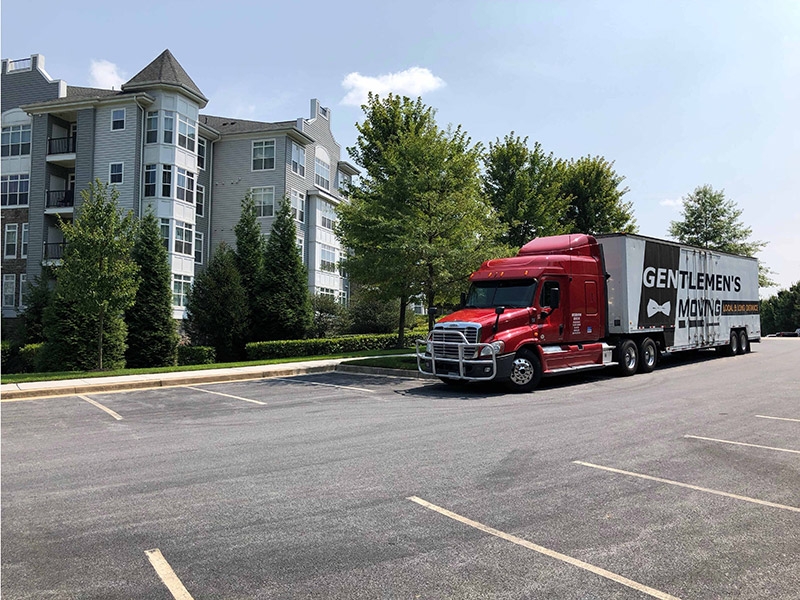
Gentlemen's Moving truck parked near buildings

Sunset District

The Sunset District is calm in a way that almost feels deliberate. Wide streets, lower density, fewer sudden noises. It’s not trying to impress you.

Yes, it’s foggy. Often. The fog shows up, settles in, and occasionally leaves just to remind you it can. Some people find it peaceful. Others buy brighter lamps. For families or anyone prioritizing quiet, this neighborhood makes sense. More space for your budget, more breathing room. Less nightlife, more normal life.

Mission District

The Mission doesn’t pause. It moves. Food, art, music, conversations that start somewhere and end somewhere else entirely.

It’s one of the most vibrant neighborhoods in San Francisco, and people who choose it usually know why. Walkability, nightlife, cultural depth — it’s all here.

It’s not quiet. Let’s be clear. There’s noise, activity, unpredictability. But for the right person, that’s not a drawback — it’s the reason.

Housing varies. Prices can be high, but options exist. Apartments, shared spaces, buildings with character. Sometimes too much character. You’ll know.

Richmond District

Richmond District is diverse, grounded, and close to Golden Gate Park, which — honestly — feels like a bonus you keep rediscovering.

The pace is slower. Not sleepy, just measured. You get a mix of families, professionals, long-time residents who have stories they don’t fully tell. Housing is more accessible than in central luxury zones. Still San Francisco, still expensive — but relatively reasonable.

And the food. It deserves its own paragraph, but we’ll keep moving. Just know it’s good. Consistently, quietly good.

SoMa

SoMa is modern. Industrial. Slightly unfinished in a way that feels intentional.

Lofts, tech offices, proximity to everything. It’s practical, not romantic. Which appeals to a certain mindset — efficiency over charm, access over atmosphere. It’s not the prettiest neighborhood, but it works. And sometimes that’s enough.

Moving here involves coordination — loading docks, elevators, schedules that don’t flex. Good thing we’re used to that.

Gentlemen's Moving Company white truck in front of a house

When Calling Professionals Matters

We’re California locals. We’ve moved people into Victorian homes with staircases that look decorative but are, unfortunately, functional. We’ve handled downtown high-rises where timing is tighter than your moving budget after rent. We’ve done coastal fog moves where everything feels slightly damp, including your expectations.

What Gentlemen’s Moving Company offers isn’t just transportation — it’s coordination. Anticipation. A kind of calm that only comes from having seen things go wrong and deciding, firmly, that they won’t this time.

We plan routes. We manage logistics — permits, parking, building access. The invisible stuff that becomes very visible if ignored. We handle your belongings like they’re not replaceable. Because some of them aren’t. Sentiment counts, even if it doesn’t show up on a receipt.

We’re professionals. If something needs adjusting mid-move, we adjust. No guesswork, no drama. Just solutions.

Areas in San Jose That Feel Like Home

San Jose doesn’t announce itself like San Francisco, doesn’t glow like San Diego — it just sort of works. Quietly, efficiently.

We’re Gentlemen’s Moving Company, and we’ve moved people into San Jose from every direction California allows. Coastal dreamers, tech professionals, families looking for space, people who wanted a temporary relocation and then never left. Happens a lot here. Something about the balance.

Understanding San Jose

San Jose isn’t one clean narrative. It’s neighborhoods stitched together by highways, school districts, and the quiet hum of tech offices that may or may not be nearby but definitely influence everything:

  • Willow Glen, Cambrian Park: Family zones. Tree-lined streets, schools, a sense that weekends have a plan.
  • Downtown San Jose: Urban, developing, sometimes energetic, sometimes oddly calm for a city center. Depends on the block. Always depends on the block.
  • Almaden Valley, Evergreen: Space. Hills. Higher-end homes. A little reserved, in a good way.
  • North San Jose: Tech proximity. Apartments, newer builds, professionals who own multiple charging cables and know where all of them are.

Income level matters — this is Silicon Valley-adjacent, after all — but San Jose spreads itself out enough that different budgets can find their place. Not effortlessly, but realistically.

And lifestyle — this is the key. Because San Jose doesn’t force one on you. It kind of asks what you want your days to feel like, and then gives you three or four decent answers.

Willow Glen

Willow Glen feels intentional. Like someone thought about how a neighborhood should function and then followed through.

Tree-lined streets, walkable downtown, schools that families actively research and then nod approvingly at. It’s stable. That word again, but it fits. Young families land here and tend to stay. There’s a rhythm — morning coffee, school drop-offs, evening walks. Predictable, but in a comforting way.

Prices are mid-to-high, depending on the home. But you’re paying for cohesion. And sidewalks that don’t feel like afterthoughts. Also, moving here? Manageable. Streets cooperate. That matters more than it sounds.

Downtown San Jose

Apartments, condos, nightlife, offices — it’s all there. But not evenly distributed. One block buzzes, the next pauses.

Young professionals gravitate here. Walkability, access, shorter commutes. You can build a lifestyle that doesn’t revolve entirely around your car, which in San Jose feels like a small rebellion.

Noise levels vary. So does energy. You kind of have to visit at different times of day. Morning, evening, that strange late afternoon window where everything feels undecided.

Almaden Valley

Almaden Valley stretches out. Hills, larger homes, quieter streets. It’s removed from the center, but not disconnected.

If silence matters — actual silence — this is where people look. Families, retirees, remote workers who realized they don’t need to be near anything except good Wi-Fi.

Homes lean toward the higher end. You get space, views, a sense that things are not pressing in on you. Also — parking is easy. Which feels like a luxury in itself, honestly.

Evergreen

Evergreen sits in a space between suburban comfort and scenic calm. Slightly elevated, literally and otherwise.

It’s family-friendly, diverse, and structured without feeling rigid. Schools, parks, community spaces — it all connects. Housing ranges from mid to high, depending on the area. Newer developments mix with established homes.

And there’s something about being just far enough from the center that things quiet down, but not so far that you feel removed. That balance.

North San Jose

Clean lines, newer buildings, proximity to major tech campuses. It’s designed for function. Apartments and condos dominate. You get modern amenities, structured layouts, predictable commutes. It’s not trying to charm you — it’s trying to work. And it does.

Professionals who prioritize convenience over character land here. Sometimes temporarily. Sometimes indefinitely. Moving logistics here are straightforward — wide streets, accessible buildings, fewer surprises. We appreciate that.

Cambrian Park

Cambrian Park sits slightly under the radar. Which, for some people, is exactly the appeal. It offers more accessible pricing compared to neighboring areas, while still maintaining strong schools and a suburban feel.

Families who want a balance between cost and quality often end up here. Not flashy, not trendy — just reliable. And sometimes reliable wins. Actually, often.

When Professional Services Matter

We’re not going to pretend moving is fun. It’s not. It’s logistics wrapped in emotion. But we do make it manageable. Predictable, even. Which is underrated.

We’re California locals. That part matters. We know how San Jose behaves. Traffic patterns, neighborhood quirks, which streets look wide but absolutely are not when a truck is involved. We’ve done moves in quiet suburbs where everything goes smoothly, and downtown relocations where timing becomes a personality trait.

Planning that actually anticipates things. Professionals who understand structure. Consistency. We show up, we follow through, we don’t improvise unless it’s necessary — and when it is, we do it well.

Gentlemen’s Moving Company moved families into Willow Glen, professionals into North San Jose apartments, entire households into Almaden Valley homes with driveways that feel like small roads. Every move is different. Standards remain the same.

What It’s Like to Live in Palm Springs

Palm Springs doesn’t sneak up on you. It arrives. Bright, dry, unapologetically warm — like someone turned the sun up a notch and then misplaced the dial. You step out of the car and immediately understand hydration in a new, philosophical way. And yet — people love it. Stay for decades. Buy second homes. Third homes. It’s that kind of place.

We’re Gentlemen’s Moving Company. California locals. We’ve done desert moves where the air smells like snakes, and we’ve done early-morning relocations where everything is still, almost suspiciously calm. Palm Springs has moods. Fewer than San Francisco, sure, but they stretch longer.

Understanding Palm Springs

Days revolve around temperature. Mornings are active, afternoons pause, evenings return. You adapt. Everyone does. Even the houses seem built with that understanding — low lines, open spaces, pools that feel less like luxury and more like infrastructure.

Neighborhoods here aren’t just about location — they’re about pace:

  • Old Las Palmas, The Mesa: Luxury, history, architecture that knows it’s being looked at.
  • Deepwell Estates, Movie Colony: Mid-to-high range, central, polished but not overly formal.
  • Racquet Club Estates: Mid-century homes, character, people who say lines matter and mean architecture.
  • Desert Park Estates, Cathedral City: More affordable, more space, quieter edges of the map.

Income level shapes entry, obviously, but Palm Springs offers a surprising range. You can go full luxury with mountain views and privacy walls, or you can find something simpler, functional, still wrapped in sunlight.

Some people move here to slow down. Others move here to entertain. Some do both, alternating weekly. The city allows for that kind of inconsistency.

Old Las Palmas

Old Las Palmas is iconic. Palm-lined streets, large estates, homes that feel like they’ve hosted conversations you weren’t invited to but somehow benefit from anyway.

This is luxury territory. High-end properties, significant privacy, architectural detail that leans mid-century but doesn’t get stuck there. Buyers here aren’t just looking for space — they’re looking for presence. A home that feels established.

We’ve done moves where the driveway alone required planning. Worth it, though. Always worth it.

Deepwell Estates

Central, accessible, but not overwhelming. Homes range from mid to high price points. Clean layouts, pools, and a community feel that doesn’t intrude.

It’s popular with retirees, second-home buyers, and families who want structure without rigidity. Moving logistics here are smoother than in tighter historic areas. Streets cooperate. We notice these things.

Racquet Club Estates

Racquet Club Estates is distinct. Flat planes, clean lines, indoor-outdoor flow that makes sense in a place where weather rarely interrupts.

It’s mid-range pricing for Palm Springs, but the design value is high. People who care about architecture — really care — tend to land here. There’s a certain quiet pride in these homes. Not loud, not showy. Just considered.

And yes, we’ve carried very specific furniture into very specific spaces here. Precision matters.

The Mesa

The Mesa lives near the mountains. Slightly tucked away, slightly elevated, definitely quieter.

If you value silence this is where you look. Fewer tourists, less through-traffic, more sense of separation. Homes lean higher-end. You’re paying for location, views, and that feeling of being just outside the main current.

There’s a stillness here. Not empty, but intentional.

Desert Park Estates

Desert Park Estates offers more accessible pricing and larger lots. It’s less polished, more practical. Families, first-time buyers, people transitioning into Palm Springs without going all-in immediately — they often start here.

It’s quieter, less stylized, but functional. And sometimes that’s exactly what you need. Also, plenty of room for trucks. Which — again — you don’t think about until you really do.

Cathedral City

Technically not Palm Springs proper, but close enough that it becomes part of the conversation.

Cathedral City offers lower price points, newer developments, and a more suburban feel. Less design-heavy, more straightforward. People who want Palm Springs access without Palm Springs pricing often land here. And stay.

When Professional Services Matter

Moving to Palm Springs has a different rhythm. Timing matters more. Materials matter more. Even how you pack changes slightly — heat has opinions.

We’re Gentlemen’s Moving Company. All California locals experienced enough with desert logistics. We don’t just show up — we adjust. Heat-sensitive items, surfaces, flooring — we account for it. No desert roads or gated communities can surprise us.

We’ve moved clients into luxury estates in Old Las Palmas, compact homes in quieter neighborhoods, seasonal properties where half the boxes said “winter only”. Every move is different. The same principle is applied: do it right, or don’t do it at all.

Choosing a Neighborhood in Sacramento

Sacramento is steady. That’s the word that keeps coming back. Not loud, not flashy — steady. Until it isn’t. You’ll be driving through tree-lined streets, everything calm, and then suddenly you’re downtown, traffic doing its thing.

We’re Gentlemen’s Moving Company. California locals. We’ve moved people into Sacramento for all kinds of reasons — affordability, proximity to the Bay Area without the Bay Area pricing, families looking for space, professionals realizing they don’t need quite as much chaos in their daily routine. Happens more than you’d think.

Understanding Sacramento

Sacramento doesn’t split into very different zones. It blends. Neighborhoods shift gradually — one street is calm, the next one is slightly more animated, then back again. It’s less about borders and more about subtle transitions.

Income levels stretch more comfortably here than in coastal cities. You can still find value. Not bargains, but real value.

Lifestyle, though — that’s the deciding factor. Sacramento lets you choose your pace. Fast enough, slow enough, somewhere in between where you forget to check the time. That kind of place.

East Sacramento

East Sacramento feels rooted. Mature trees, sidewalks that seem to remember earlier decades, homes with character that doesn’t try too hard.

Families settle here. Schools, parks, community — everything aligns in a way that makes daily life predictable, but not dull. Prices sit mid-to-high for Sacramento. You’re paying for stability. And location.

Also, moving here requires a bit of precision — older streets, tighter access in some spots. Nothing we haven’t handled. Repeatedly.

Land Park

Larger lots, quieter streets, proximity to green space that actually feels like space.

It’s ideal for families, retirees, anyone who wants a bit more room between themselves and everything else. There’s a softness to the neighborhood. Not sleepy, just unhurried.

Homes vary from mid to high range. You get value, but also a sense of continuity — people stay here.

Midtown

Midtown is where Sacramento wakes up. Restaurants, bars, art, movement. You step outside and something is happening, even if you’re not sure what yet.

Young professionals, creatives, people who want proximity over privacy — they land here. Housing is a mix. Apartments, older homes, renovated spaces that hold onto some of their original edges.

Noise comes with the territory. Not constant, but present. If you need silence, this isn’t it. If you want access, it works.

Natomas

Natomas is structured. Planned developments, newer builds, wider streets. It feels organized in a way that’s almost calming.

Families and first-time buyers gravitate here. More house for your budget, more space, fewer surprises. It’s farther from the city center, which means commuting might factor in. But for many, the trade-off makes sense.

Also, moving logistics here are refreshingly straightforward. We notice that. We appreciate it.

Pocket and Greenhaven

Tucked away, literally shaped by the river — this area feels slightly removed from the rest of the city.

Quiet streets, residential focus, a pace that doesn’t rush you. People who value peace and quiet end up here. Families, retirees, remote workers who’ve decided proximity isn’t everything. Homes range mid-level, with some higher-end properties near the water.

Arden-Arcade

Arden-Arcade doesn’t commit to one identity. It offers variety — housing styles, price points, lifestyles.

It’s more accessible financially, making it attractive for buyers entering the Sacramento market. You’ll find families, professionals, long-time residents, new arrivals — all layered together.

It’s not the most polished area, but it works. And sometimes that’s the deciding factor.

When Professional Services Matter

People think moving to Sacramento is simpler. Flatter streets, more space, fewer extreme logistics. And yes — sometimes that’s true.

We’re Gentlemen’s Moving Company. California locals. We’ve done moves across Sacramento that looked straightforward and then quietly introduced complications — tight driveways, timing conflicts, weather shifts.

We’ve moved families into East Sacramento homes with narrow driveways, professionals into Midtown apartments where parking becomes a negotiation, entire households into Natomas developments where everything looks similar until it doesn’t.

Every move has its own logic. We always follow it.